How Jewelry Stores Determine the Value of Your Jewelry

Jewelry can be worth more than you think. An old gold ring, a diamond necklace, or a watch sitting in a drawer may still have real value. But the price of jewelry is not based only on how it looks. Many details can affect what a piece is worth.
When you take an item to a jewelry store in Framingham, trained professionals may look at the metal, weight, purity, gemstones, condition, and current market demand. Understanding these factors can help you feel more prepared before you sell, trade, or have your jewelry evaluated.
Why Jewelry Value Is Different for Every Piece
No two pieces of jewelry are exactly the same. Even two gold rings that look similar can have different values. One may contain more pure gold, while another may have a valuable diamond or a well-known brand name.
A jewelry store looks at the whole item instead of judging it by appearance alone. The goal is to understand what materials are in the piece and what those materials may be worth.
The Type of Precious Metal Matters
The first step is often identifying the metal. Fine jewelry can be made from gold, silver, platinum, and other precious metals.
Gold Purity and Karat
Gold jewelry usually has a karat mark, such as 10K, 14K, 18K, or 24K. A higher karat means the item contains a higher percentage of pure gold.
A jewelry store may check the hallmark and test the metal to confirm its purity. This is important because a stamp alone may not always tell the full story.
Weight of the Metal
Weight also plays a major role. In general, a heavier piece containing the same purity of precious metal has more metal value than a lighter one.
The jewelry store uses an accurate scale to measure the item. Stones and other non-metal parts may also be considered during the evaluation.
Current Precious Metal Prices Affect Value
Gold, silver, and platinum prices can change over time. These market prices can affect how much precious-metal jewelry is worth on a certain day.
For example, if gold prices rise, the metal value of a gold bracelet may also increase. A professional jewelry store considers current market conditions when evaluating precious metals.
This is one reason the offer for the same item may not always stay the same over time.
Gemstones Can Add Value to Jewelry
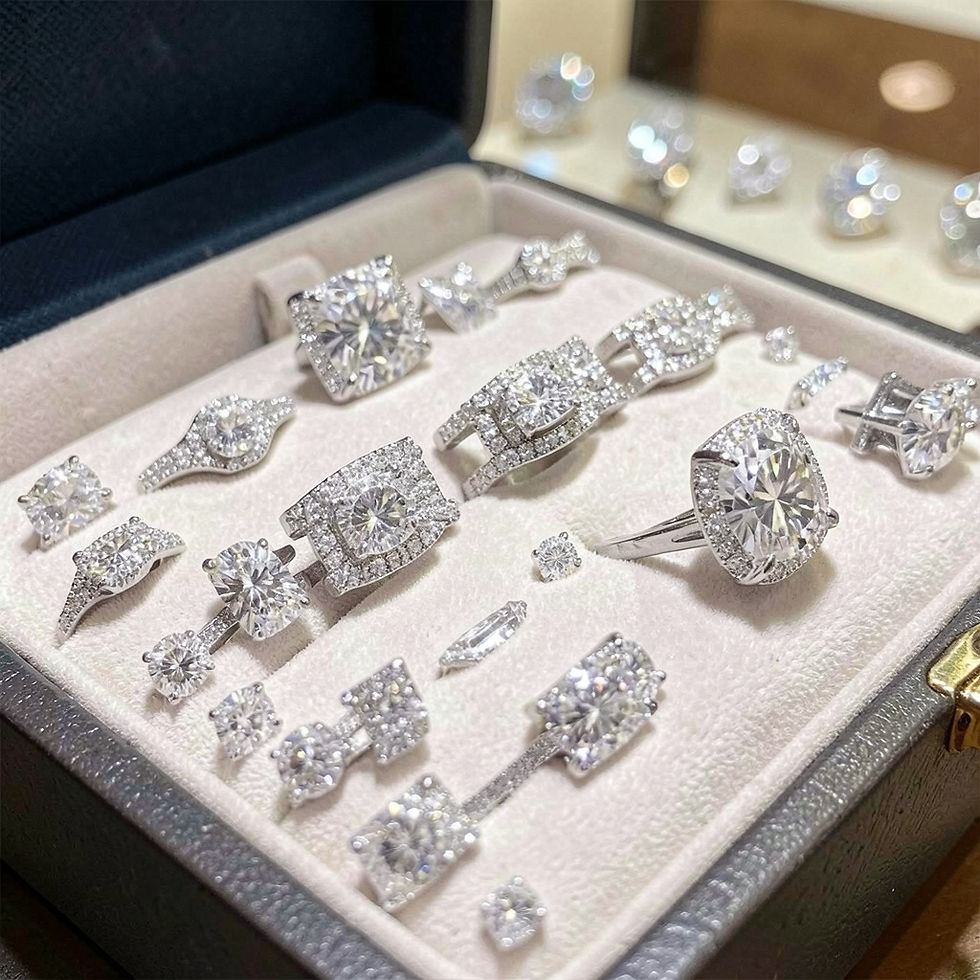
Some jewelry contains diamonds, rubies, sapphires, emeralds, or other gemstones. These stones may add value, but each one must be examined separately.
How Diamonds Are Evaluated
Diamonds are commonly judged by the 4Cs: cut, color, clarity, and carat weight. These features help determine the quality and possible value of a diamond.
A jewelry store may also examine whether the diamond is natural or lab-grown. A grading report from a recognized laboratory can provide useful information about the stone.
Colored gemstones can be judged by factors such as color, size, clarity, treatment, origin when known, and overall quality.
Condition Can Influence the Final Offer
The condition of a piece can matter, especially when the jewelry may be resold as a finished item. A clean ring with secure stones and limited damage may be more appealing than a badly damaged piece.
However, broken jewelry is not always worthless. A broken gold chain, bent bracelet, or single earring may still have precious metal value.
A jewelry store can examine whether an item has value as wearable jewelry, repairable jewelry, or for its precious metal content.
Brand, Design, and Age May Matter
Some pieces can be worth more because of their maker, design, age, or rarity. Designer jewelry and certain vintage pieces may have resale or collector interest beyond the value of their metal.
A jewelry store may inspect signatures, hallmarks, serial numbers, craftsmanship, and design details. Original boxes, receipts, certificates, and other documents may also help identify a piece.
Not every old item is valuable simply because of its age. Condition, rarity, demand, and authenticity still matter.
How a Professional Jewelry Evaluation Works
The evaluation process should be clear and easy to understand. First, the jewelry store examines the piece and identifies its materials. The item may then be weighed and tested for metal purity.
Diamonds and gemstones can be checked using professional tools. The buyer may also consider market prices, condition, brand, and resale demand before making an offer.
Do not be afraid to ask questions. A trustworthy professional should be willing to explain the main factors used to determine the offer.
How to Prepare Your Jewelry for an Evaluation
You do not need to do much before visiting a jewelry store. Gather your pieces and keep matching items together. If you have certificates, grading reports, receipts, original boxes, or service records, bring them with you.
Avoid trying harsh chemicals or home testing methods. These may damage certain metals or gemstones.
It can also help to know what you own before the evaluation. Look for karat marks, maker's marks, and other details, but let a professional confirm them.
Conclusion
Knowing how jewelry is valued can make selling or trading your pieces much easier. Precious metal purity, weight, market prices, diamonds, gemstones, condition, brand, and demand can all play a part in the final value.
If you are searching online for a jewelry store near me, choose a business that clearly explains its evaluation process. A trusted jewelry store in Framingham can help you better understand what your pieces may be worth. Gold Refinery in Framingham provides a local option for people who want to buy, sell, or evaluate jewelry with a simple and transparent process.


Comments